The Rise of Brown Lip Blush: What Artists Need to Know About Pigment Composition and Long-Term Healing
Feb 04, 2026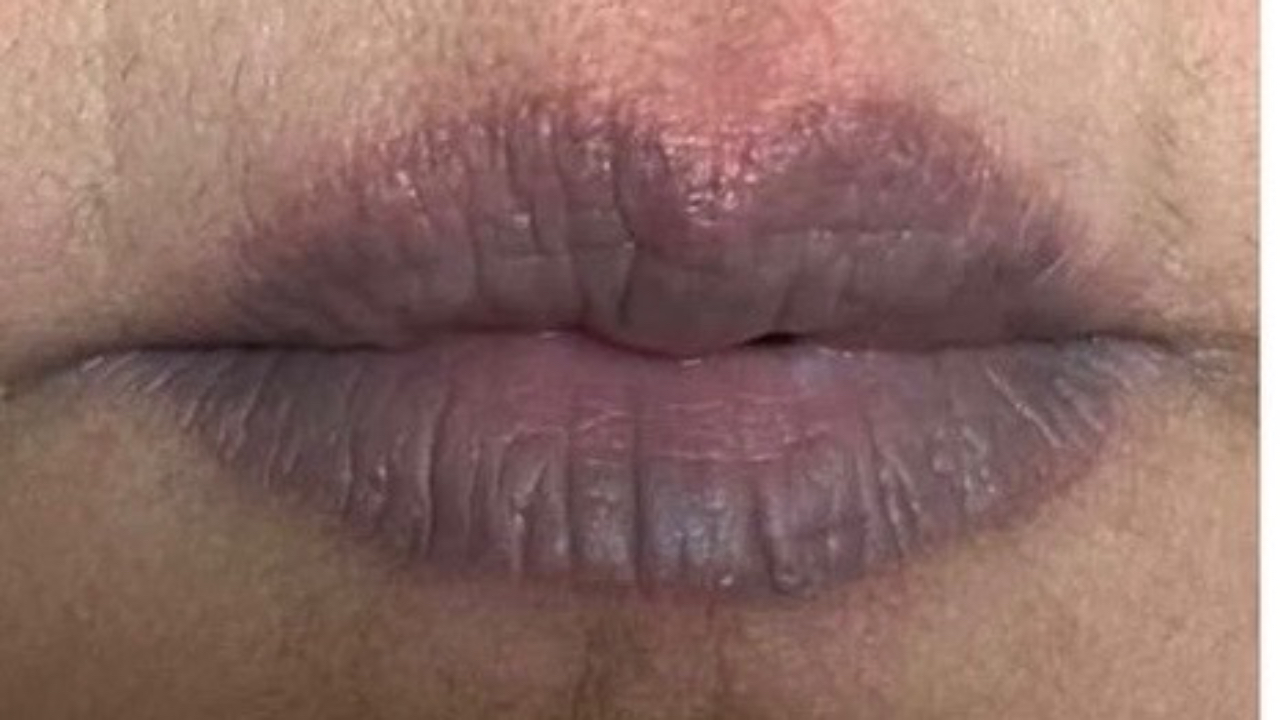
Brown and ombré lip blush treatments have surged in popularity over the last 12–18 months. Driven by social media trends and a growing demand for muted, “neutral” lip tones, many artists are now working with brown-based pigments to create soft contouring, depth, and definition.
While the aesthetic results can look beautiful when freshly healed, there is an important technical conversation that the industry must not ignore: how certain brown pigments behave in lip tissue over time.
At NABP, our role is not to dictate trends - but to ensure technicians understand the science, risks, and long-term implications behind the materials they choose to implant.
Why Brown Pigments Behave Differently in the Lips
Brown pigments are rarely “pure brown.”
In most formulations, brown is achieved by combining:
-
Red, yellow, and black components, or
-
Red pigments heavily modified with carbon black and titanium dioxide
These ingredients behave very differently in lip tissue compared to traditional red or pink lip pigments.
Carbon Black in Lip Pigments
Carbon black is a strong, opaque colourant with very small particle size. While it can deepen and neutralise warmth in a pigment, it is also:
-
Extremely dominant once implanted
-
More likely to remain visible as other colour components fade
-
Known to contribute to cool or grey-shifted healing when used in delicate, vascular tissue like the lips
As the warmer red and yellow components break down over time, the residual carbon black can become more apparent — leading to lips that heal ashy, muted, or grey-toned months or years later.
The Role of Titanium Dioxide
Titanium dioxide is commonly added to pigments to:
-
Increase opacity
-
Lighten or “soften” a shade
-
Create pastel or muted effects
In lip blush pigments, high levels of titanium dioxide can present long-term challenges:
-
TiO₂ reflects light, which can make healed results appear flat or cloudy
-
As organic pigments fade, TiO₂ can become more visually dominant
-
In combination with carbon black, this can contribute to a cool, desaturated, grey appearance
While titanium dioxide has its place in corrective and areola work, its overuse in lip pigments - particularly brown-based blends - requires caution.
Why the Lips Are Especially Vulnerable to Grey Healing
Lip tissue is:
-
Highly vascular
-
Thinner than most facial skin
-
Constantly regenerating
-
Exposed to moisture, friction, and UV
These factors mean:
-
Warm pigments break down faster
-
Cool and opaque components are more likely to linger
-
Colour imbalance becomes more visible over time
This is why lips that initially heal “perfectly neutral” can slowly lose warmth and vitality, especially when brown-heavy pigments are used without sufficient red support.
Trend vs. Longevity: A Professional Responsibility
Trends are temporary. Implanted pigment is not.
As professionals, technicians have a responsibility to consider:
-
Not just how a colour looks at 6–8 weeks
-
But how it may appear 12, 24, or 36 months later
This doesn’t mean brown or ombré lip blush should never be performed - but it does mean:
-
Pigment selection must be intentional
-
Modifications should prioritise long-term warmth and balance
-
Clients should be educated on future colour shifts and maintenance expectations
Best Practice Considerations for Artists
At NABP, we encourage technicians to:
-
Understand full pigment ingredient compositions
-
Be cautious with pigments containing carbon black in lip work
-
Avoid high-opacity, heavily titanium dioxide–loaded formulations for full lip implantation
-
Ensure brown or neutral tones are adequately supported with stable red bases
-
Document pigment choices clearly in client records
-
Educate clients honestly about long-term colour evolution
Raising Standards Through Education
The popularity of brown lip blush highlights a wider issue in the industry: trend-led work without sufficient pigment education.
True professionalism is not about chasing what’s popular - it’s about making informed, ethical decisions that protect both the client and the artist in the long term.
At NABP, we believe raising standards starts with understanding the science behind the skin, the pigment, and the responsibility that comes with implanting colour.
Final Thought
Brown lip blush can be beautiful - but only when performed with knowledge, restraint, and long-term vision.
As an industry, we must continue to evolve beyond “what looks good now” and focus on what heals well, ages well, and protects client trust.
Join the Movement
If you’re a beauty professional who believes in upholding safety and integrity within our sector, join the NABP membership today.
Let’s make the UK’s beauty industry a benchmark for trust and professionalism.
Stay connected with news and updates!
Join our mailing list to receive the latest news and updates from our team.
Don't worry, your information will not be shared.
We hate SPAM. We will never sell your information, for any reason.
