The hidden costs of 'cheap' permanent makeup courses. What students need to know.
Dec 05, 2025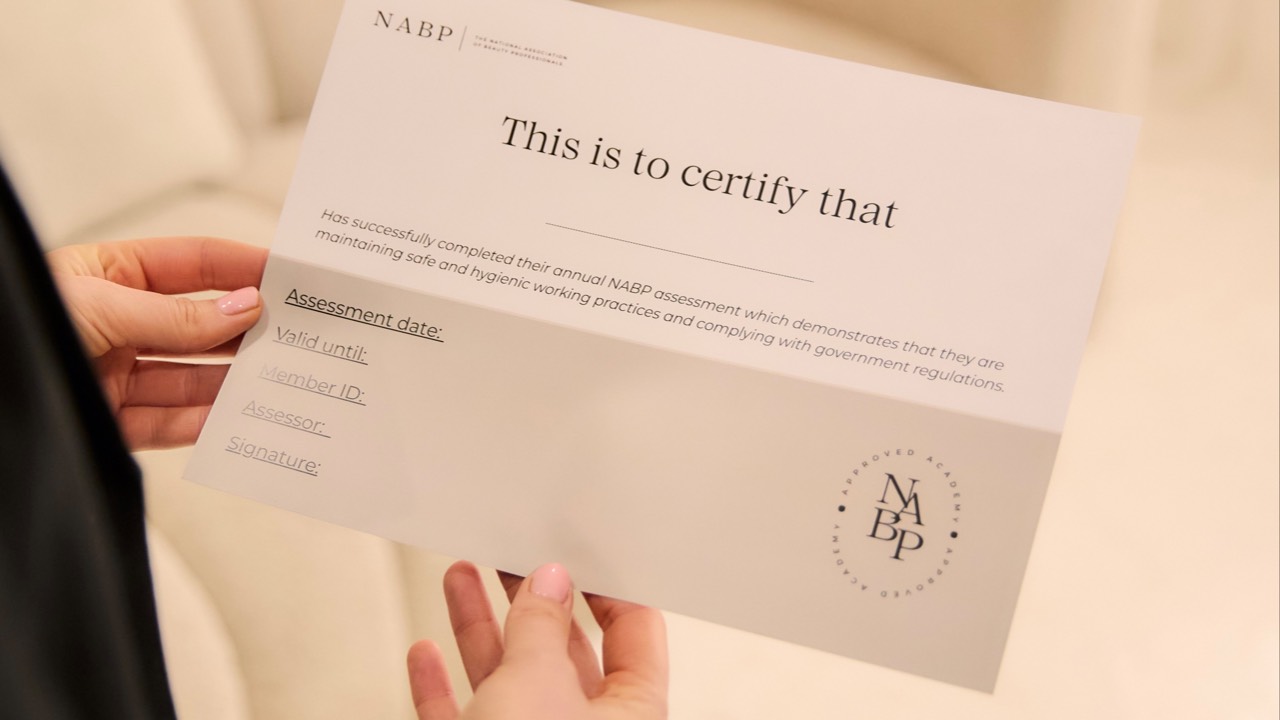
The permanent makeup (PMU) industry has exploded in popularity, brows, lips, eyeliner and medical camouflage are everywhere. With demand comes opportunity, and recently there’s been a surge of very inexpensive, fast-track PMU training courses marketed to beginners. At first glance a low-cost course that promises certification in a weekend can look like a dream: low upfront cost, fast entry into a lucrative field. But the reality is more complicated - and for students, that “bargain” can carry serious risks.
Below we unpack why cheap PMU courses are on the rise, what dangers they present and most importantly, how prospective students can protect themselves and make an informed choice.
Why low-cost PMU courses are multiplying
- Low barriers to entry for instructors. Once someone has basic skills and a social media presence, they can market short courses online without large overheads.
- High market demand. People want to learn fast and start earning; trainers capitalise on that urgency.
- Social media glamour. Glossy before/after photos and influencer endorsements make training look easier than it is.
- Economics. Short, low-hour workshops let sellers scale: more students per weekend equals profit.
All of that fuels a steady supply of low-cost offerings, but the savings for students often come at the expense of training quality and safety.
The real dangers and risks for students
1. Insufficient hands-on practice
Permanent makeup is a hands-on skill that requires many supervised procedures on live models to build muscle memory and judgment. Cheap courses often skimp on live practice hours and rely on synthetic practice skin or demonstrations. The result: students leave with shaky technique and poor decision-making under pressure.
2. Weak or absent safety & infection-control training
Proper aseptic technique, cross-contamination prevention, blood-borne pathogen knowledge, and equipment sterilisation are non-negotiable. Budget courses sometimes gloss over or omit these topics; that increases the risk of infections, allergic reactions, and long-term harm to clients and legal exposure for the technician.
3. Minimal colour science and complication management
Colour theory, skin undertones, pigment chemistry, and how to manage pigment migration, scarring, or hyperpigmentation are complex. Short courses may teach a few basic shades without enough depth, leaving practitioners unprepared to manage common and uncommon complications.
4. Poor or misleading certification
“Certification” from a weekend course may sound legitimate but can carry little weight with regulators, insurers, or informed clients. Some course certificates are essentially attendance slips rather than proof of competence.
5. No mentorship or aftercare support
New PMU artists need supervision and guidance as they treat clients. Cheap courses rarely include ongoing mentorship, case reviews, or shadowing opportunities, leaving graduates isolated when problems arise.
6. Legal and insurance gaps
Many jurisdictions require specific licensing, minimum training hours, or medical oversight. Graduates of inadequate courses may be unable to obtain professional liability insurance, or worse, may unknowingly practice illegally.
7. Damage to reputation and career
A poorly executed procedure can create permanent scarring or cosmetic disaster for a client and ruin a technician’s reputation, far costlier than the savings from a cheap course.
What it means for students (in plain terms)
- Short-term savings, long-term costs. You may save a few hundred pounds/dollars on tuition but risk losing far more in corrective work, legal fees, or lost clients.
- Higher chance of causing harm. Minimal training increases the likelihood of infections, poor outcomes, and client distress.
- Barriers to professional growth. Employers, clinics, and insurers will prefer graduates with credible, comprehensive training.
- Emotional and financial stress. Dealing with complications or backlash from a botched service is draining and expensive.
Red flags to watch for (don’t ignore these)
- Course promises “complete certification” in a single weekend with only demo time.
- No clear breakdown of hands-on hours or number of live models.
- Instructor’s credentials are vague or based mainly on social media followers.
- No mention of blood-borne pathogen training, aftercare, or complication management.
- Certificate looks like a printout with no accreditation or regulatory recognition.
- No post-course mentorship, model clinic practice, or portfolio/feedback process.
- The course price is significantly lower than the market average without explanation.
Vetting checklist, what a good PMU course should include:
- Minimum hands-on hours: multiple supervised procedures on live models (not just synthetic skin).
- Curriculum depth: safety/infection control, color theory, anatomy, contraindications, anaesthetics (if applicable), and complication management.
- Qualified instructors: verifiable credentials, teaching experience, and documented professional practice.
- Aftercare & follow-up: mentorship, case reviews, portfolio requirements, and at least some supervised client work post-course.
- Transparent certification: clear statement of what the certificate represents and whether it meets local regulatory requirements.
- Insurance guidance: help accessing professional liability insurance and understanding legal obligations in your area.
- Student-to-instructor ratio: low ratios allow meaningful feedback.
- Alumni reviews and evidence: before/after case studies from former students, ideally with contactable references.
Practical next steps if you’re considering PMU training
- Research local regulations before booking, find out required training hours, licensing, and hygiene standards where you live.
- Ask for a syllabus and a clear breakdown of live model hours, instructor-to-student ratio, and follow-up support.
- Request instructor credentials and examples of their own healed work.
- Check reviews and speak to alumni. Real student experiences reveal a lot.
- Plan for continuing education. Treat your first course as the start of ongoing training, not the finish line.
- Budget properly. Expect to invest in quality training, equipment, and insurance, it’s part of professional responsibility.
Final thought
Permanent makeup is beautiful, empowering, and an increasingly professionalised field but skills that permanently alter someone’s face demand respect, time, and rigorous training. A cheap course might get you a certificate; it will not reliably give you competence, confidence, or safety. For the sake of your future clients and your own career, invest in training that teaches you how to protect and care for people, not just how to perform a quick procedure.
For educators that are passionate about giving students the best possible start to their career, join us here at the NABP so we can support your growth and highlight you as an expert trainer.
Join the Movement
If you’re a beauty professional who believes in upholding safety and integrity within our sector, join the NABP membership today.
Let’s make the UK’s beauty industry a benchmark for trust and professionalism.
Stay connected with news and updates!
Join our mailing list to receive the latest news and updates from our team.
Don't worry, your information will not be shared.
We hate SPAM. We will never sell your information, for any reason.
