Infection Control in PMU: Common Mistakes That Put Clients at Risk
Jan 14, 2026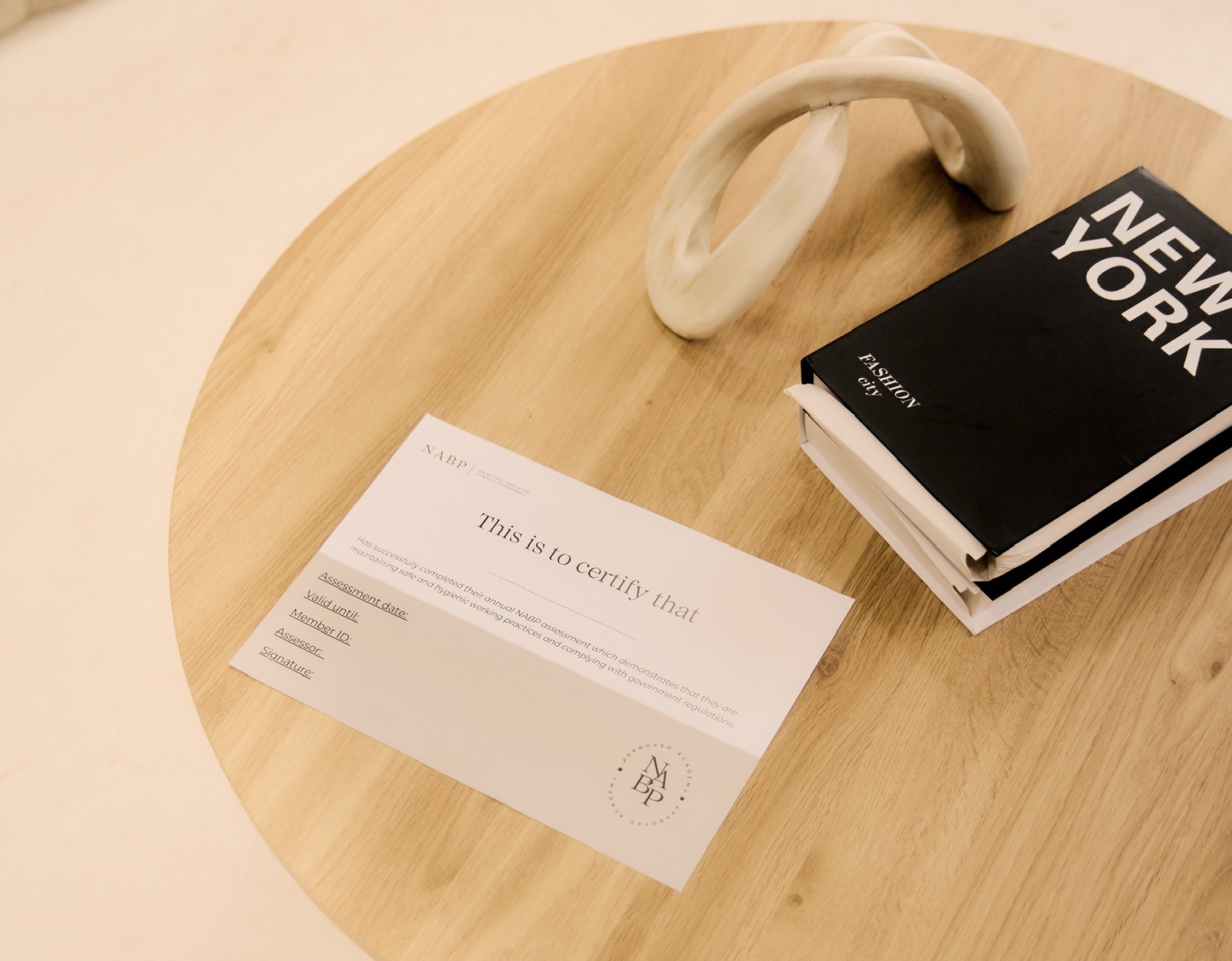
Infection control is one of the most critical responsibilities in the permanent makeup (PMU) industry. Because PMU procedures involve breaking the skin, even small lapses in hygiene can lead to serious consequences - including infection, scarring, and long-term health complications.
While many practitioners aim to work safely, common mistakes continue to put clients at unnecessary risk. Understanding where things go wrong is the first step towards raising standards and protecting both clients and professionals.
Why Infection Control Is Non-Negotiable in PMU
Permanent makeup is not a superficial beauty treatment. It involves needles, blood, and direct contact with broken skin. This creates potential exposure to bacteria, viruses, and bloodborne pathogens if strict infection control measures are not followed.
Proper infection control protects:
- Clients, from avoidable harm and medical complications
- Practitioners, from legal action, complaints, and professional damage
- The wider industry, by maintaining trust and credibility
When standards slip, everyone is affected.
Common Infection Control Mistakes in PMU
1. Inadequate Hand Hygiene
One of the most basic yet frequently overlooked practices is correct hand hygiene. Failing to wash hands properly before and after treatments, or relying solely on gloves without proper handwashing, increases the risk of contamination.
Gloves are not a substitute for clean hands and they must be changed appropriately throughout the procedure.
2. Reusing or Improperly Handling Equipment
Single-use items must be disposed of correctly after every client. Reusing needles, microblades, pigment cups, or barrier films - even accidentally - can lead to cross-contamination.
Equally dangerous is poor handling of clean equipment, such as touching sterile items with contaminated gloves or placing them on unprotected surfaces.
3. Poor Surface and Workstation Cleaning
Infection risks don’t stop at tools. Work surfaces, treatment beds, lamps, and bottles can all harbour bacteria if not cleaned and disinfected properly between clients.
Failing to follow correct cleaning protocols, or using unsuitable disinfectants, creates an unsafe working environment.
4. Incorrect Use of PPE
Personal Protective Equipment (PPE) is only effective when used correctly. Common issues include:
- Not wearing gloves for the full duration of the procedure
- Touching phones, door handles, or other non-sterile items while gloved
- Reusing masks or failing to replace PPE between clients
Each of these actions compromises infection control.
5. Poor Pigment Handling
Pigments can easily become contaminated if handled incorrectly. Double-dipping, topping up pigment caps, or storing pigments improperly increases the risk of bacterial growth and cross-infection.
Pigment management must be treated with the same level of care as any other invasive material.
6. Inadequate Waste Disposal
Sharps, contaminated materials, and clinical waste must be disposed of in line with regulations. Improper waste handling exposes practitioners, clients, and others to avoidable risk and can result in serious legal consequences.
7. Insufficient Aftercare Advice
Infection control doesn’t end when the client leaves the treatment room. Poor or unclear aftercare instructions can lead to infection during the healing process.
Clients must understand how to care for treated areas properly, what to avoid, and when to seek professional advice.
Why These Mistakes Keep Happening
Many infection control failures stem from:
- Inadequate or outdated training
- Lack of ongoing assessment or accountability
- Poor understanding of regulations and best practice
- Pressure to work quickly or cut costs
Without consistent standards and regular reinforcement, unsafe habits can develop over time.
How NABP Supports Safer Practice in PMU
At The NABP, infection control is a cornerstone of our standards. We support practitioners through:
- Annual in-person assessments to ensure hygiene and safety protocols are being followed
- Access to an online portal with educational videos, guidance, and support tools
- A professional community chat, allowing members to ask questions and learn from peers
- Clear expectations and accountability, helping practitioners maintain high standards consistently
Our goal is not to criticise, but to educate, support, and raise standards across the industry.
Raising Standards Protects Everyone
Strong infection control protects clients, practitioners, and the reputation of the PMU industry as a whole. By identifying common mistakes and committing to best practice, professionals can work with confidence — knowing they are delivering safe, ethical treatments.
At The NABP, we are proud to support practitioners who take infection control seriously and are committed to raising standards for the future of permanent makeup.
Join the Movement
If you’re a beauty professional who believes in upholding safety and integrity within our sector, join the NABP membership today.
Let’s make the UK’s beauty industry a benchmark for trust and professionalism.
Stay connected with news and updates!
Join our mailing list to receive the latest news and updates from our team.
Don't worry, your information will not be shared.
We hate SPAM. We will never sell your information, for any reason.
